Hidden
People work behind the scenes and the automation is only the interface.
Work has not started to vanish, it started to become hidden behind a screen, shifted to the customer, or sent to workers you never see.
In her 2018 essay “The Automation Charade,” Astra Taylor created the term fauxtomation to describe systems presented as automated even though people still perform essential work. Her essay looks past the curated claims we are used to and asks where the labor went, who performs it, and why those workers are so easy to ignore.
“Work has not disappeared from the restaurant floor, but the person doing the work has changed.”
— Astra Taylor, 2018
This fauxtomation falls into three recurring categories
People work behind the scenes and the automation is only the interface.
Customers or users complete tasks that a paid employee previously performed.
Fewer workers manage more systems and are expected to produce the same output because of "automated help."
Taylor's essay is from 2018, but it is a perfect way to explain the systems many of us are using in 2026.
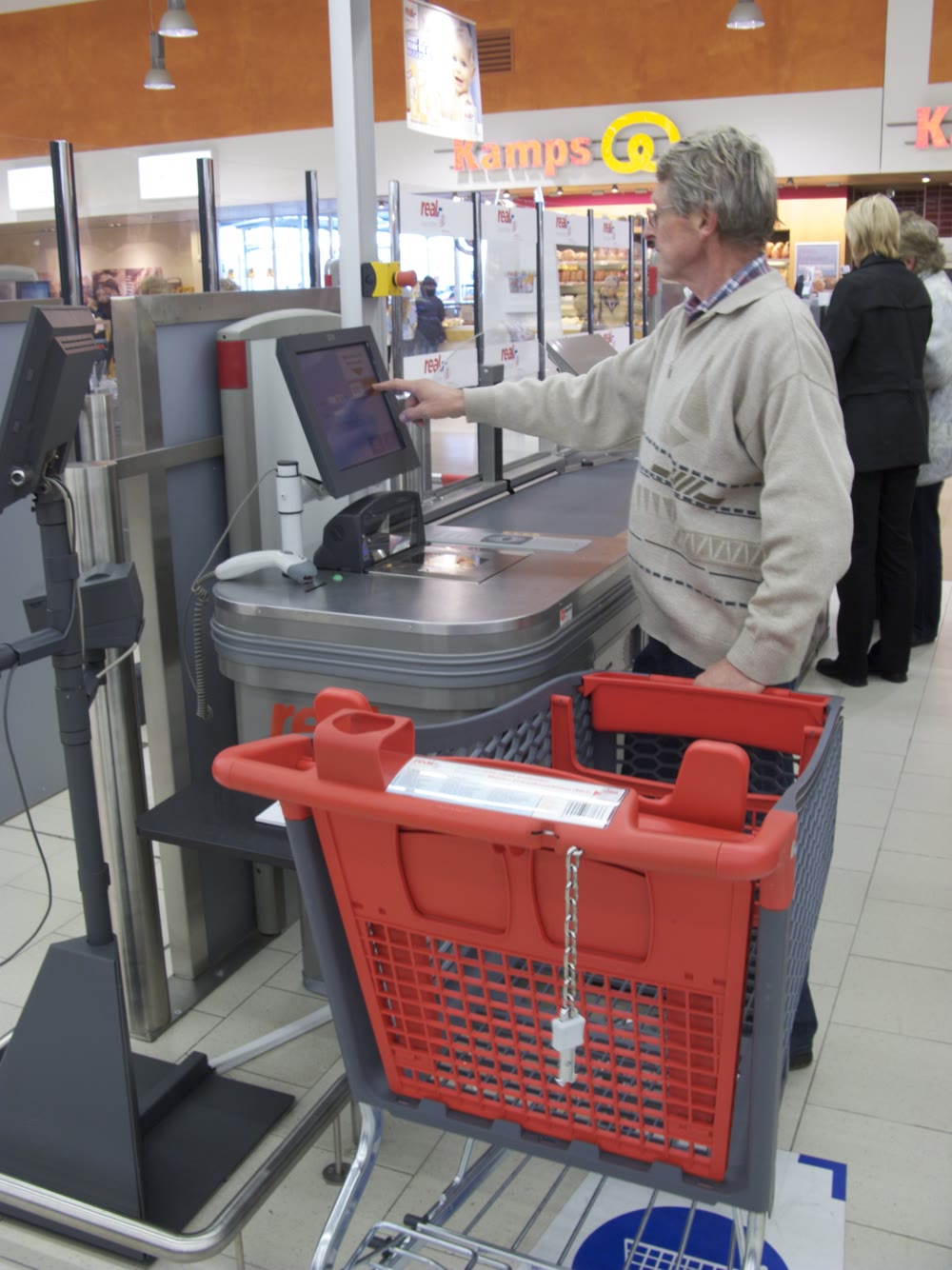
Case 1 · Self-service
Fauxtomation lens: The work is redistributed instead of actually automated.
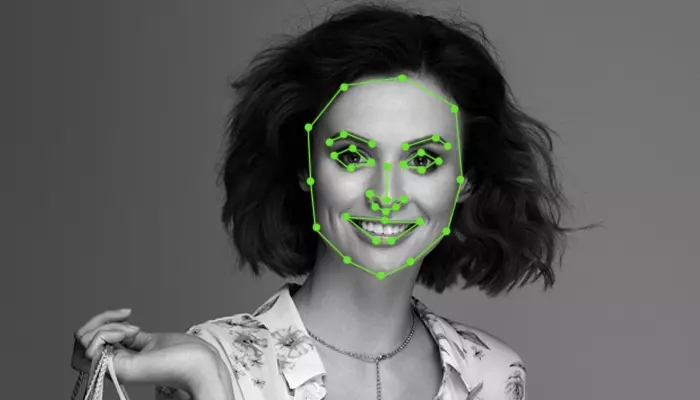
Case 2 · Artificial intelligence
Fauxtomation lens: The AI receives the credit as a great leap forward while the workers who make it function disappear.
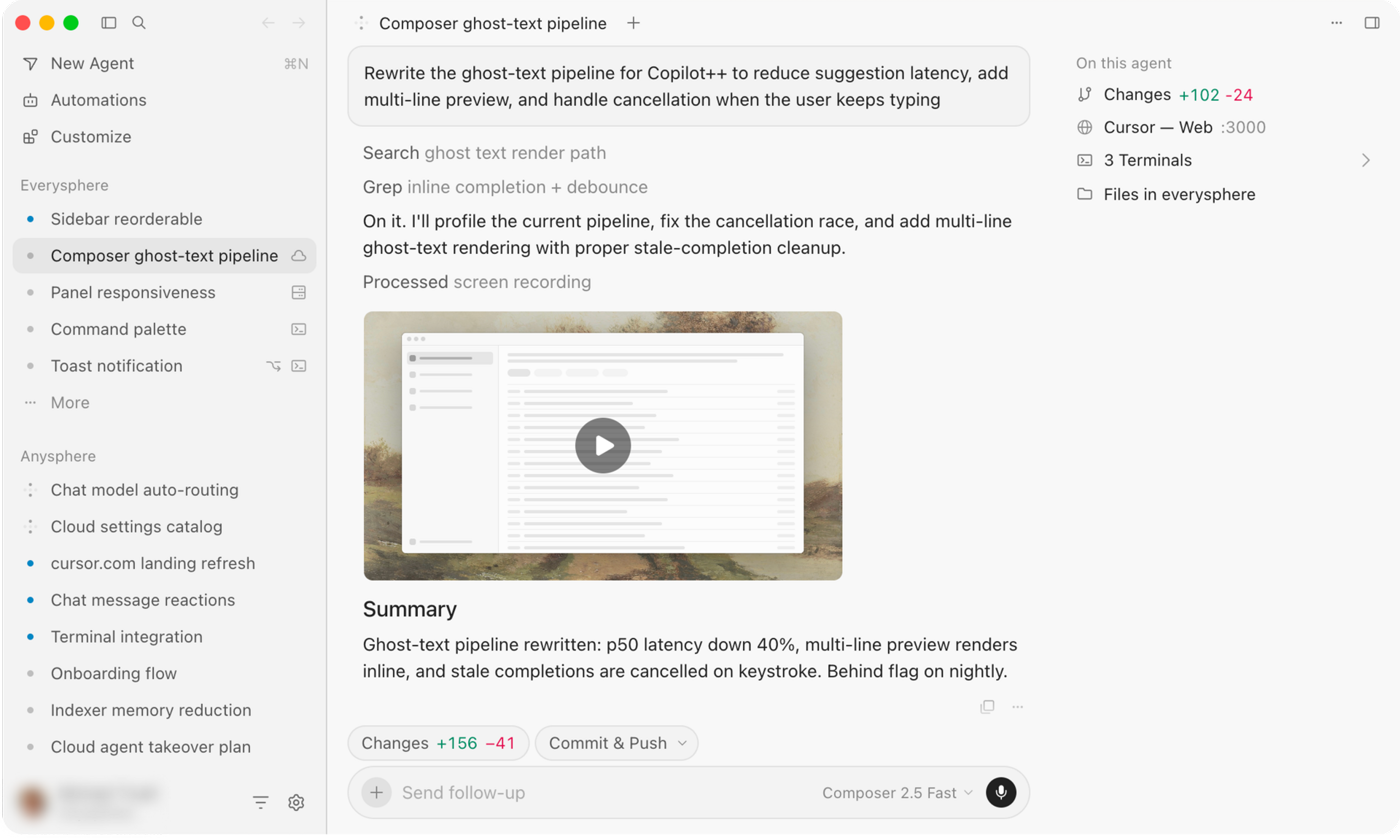
Case 3 · Technical work
Fauxtomation lens: With AI taking jobs the work shifts from creation to proofing and directing.
Language
By creating fauxtomation, Taylor shifts attention away from “Can a machine do this?” and toward “Which human tasks have been hidden or devalued?”
Juxtaposition
Things readers interact with in their daily lives such as kiosks and content moderation have deep contradictions in how their automations work.
History
Household appliances, the Mechanical Turk, and Monticello connect digital automation to a longer history of making work invisible.
Framing
Technology is often treated as an indepedent innovation force that simply imposes upon us. She redirects responsibility back to employers who actually use automation.
Entry level jobs often contain the tasks easiest to automate: Those tasks are also how beginners develop judgment and become experienced workers.
16%
Workers ages 22 to 25 in the most AI exposed occupations experienced a 16% relative employment decline in one large payroll data study.
(Brynjolfsson et al., 2025)
Nearly 5x
Handshake found that mentions of generative AI in full-time job descriptions rose almost fivefold from 2023 to 2025.
(Handshake, 2026)
78%
In the same report, 78% of hiring managers called comfort using automation for coding and other office tasks either somewhat or very important for entry level hires.
(Handshake, 2026)
Has the work disappeared or has it been transferred?
Who is paid for the work, and who is expected to do it for free?
Who gets credit when the system works? Who gets blamed when it fails?
Who owns the technology and captures the benefit?